Honey Bee Font: Elegant Script for Editorial Design
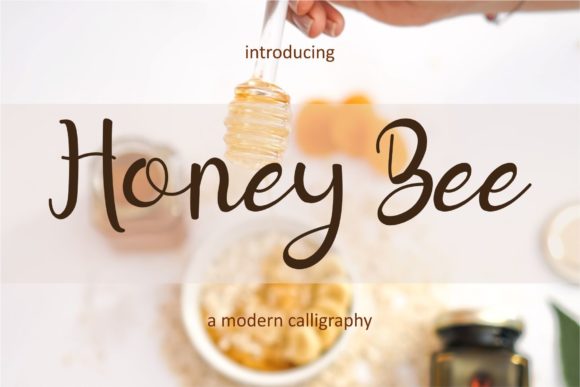
Honey Bee is a modern script font that brings a touch of grace and personality to any design project. As a premium font from the Script Amp collection, it offers a balanced blend of fluidity and clarity, making it ideal for editorial work where visual appeal meets readability.
Designed with a soft, flowing style, Honey Bee features elegant curves and subtle variations in stroke weight. Its handwritten feel adds warmth and authenticity, while its structured form ensures it remains legible even at smaller sizes. This makes it a versatile choice for both digital and print formats.
Using Honey Bee in Editorial Layouts
In editorial design, typography plays a key role in guiding the reader’s eye and setting the tone of the content. Honey Bee excels as a display font, particularly for headings, subheadings, and graphic elements that require a distinctive visual presence. Its natural rhythm and consistent spacing make it suitable for blog headers, magazine covers, and ebook titles.
For a lifestyle blog, Honey Bee can be used to create engaging headlines that draw attention without overwhelming the reader. When paired with a clean serif or sans serif font for body text, it enhances the overall hierarchy and readability of the layout. This combination is especially effective for recipe e-books, where the font can highlight ingredient lists or step-by-step instructions with a personal touch.
Honey Bee for Branding and Content Graphics
Branding is about consistency and identity, and Honey Bee can help establish a unique visual voice across publications. Whether designing a wedding guide, coaching workbook, or printable planner, this font adds a sense of refinement and creativity. Its versatility allows it to work well in lead magnets, worksheets, and other downloadable content that requires an inviting aesthetic.
As a creative font, Honey Bee is also effective for quote graphics and pull quotes within articles. Its expressive strokes can emphasize key messages and add emotional depth to the content. For a digital magazine, using Honey Bee in section headings or cover text can elevate the overall look and reinforce the publication’s brand identity.
Practical Applications for Designers
When working on a creator newsletter or online course materials, Honey Bee can be used to craft eye-catching subject lines or section headers. Its modern typography makes it suitable for social media graphics, web design, and packaging design, where a stylish yet professional appearance is essential.
For longer reading, however, Honey Bee is best used as an accent rather than a body font. While its flow is pleasing, it may not be the most efficient choice for extended blocks of text. Instead, pair it with a readable serif font for body copy or a simple sans serif for captions and navigation elements.
Considerations for Readability and Compatibility
Readability is crucial for both screen and print formats. Honey Bee performs well in PDF exports and mobile layouts, maintaining its clarity across different devices. Its design ensures that it remains legible in small sizes, making it a reliable choice for headers and labels.
When using Honey Bee in print, consider the resolution and paper quality to ensure the fine details of the script remain sharp. For digital use, test the font on various screens to confirm its performance in different lighting conditions.
Font Pairing and Multilingual Support
Effective font pairing is key to achieving a balanced design. Honey Bee works well alongside classic serif fonts like Georgia or Times New Roman for a traditional look, or with modern sans serifs like Roboto or Open Sans for a more contemporary feel. These combinations allow for clear visual separation between headings and body text.
Check the included styles, alternates, and ligatures to maximize the font’s potential. Some versions may offer additional characters or stylistic sets that enhance the overall design. If multilingual support is needed, verify that the font includes necessary glyphs for different languages and scripts.
Commercial Licensing and Usage
When using Honey Bee for commercial projects such as ebooks, templates, printables, or paid newsletters, ensure that the licensing terms are fully understood. Most premium fonts from Script Amp allow for commercial use, but it’s important to review the specific license agreement to avoid any legal issues.
For client publications or digital downloads, having the right license ensures that the font can be used without restrictions. This is particularly important for independent content brands and digital product creators who rely on high-quality design assets to maintain their brand standards.
Honey Bee is more than just a font—it’s a tool that enhances the visual storytelling of editorial projects. Whether you're crafting a lifestyle blog, a recipe ebook, or a creative newsletter, this script font offers the elegance and flexibility needed to elevate your designs and engage your audience. With thoughtful application and proper pairing, Honey Bee can become a signature element of your brand’s typographic identity.